Recycling and Sustainability for Gardeners St Johns Wood
Gardeners St Johns Wood takes a practical, community-led approach to creating an eco-friendly waste disposal area and a resilient sustainable rubbish gardening area. This page outlines our targets, partnerships, on-the-ground systems and the everyday actions that make greener gardening in St John's Wood possible. We bring together local knowledge, borough guidance and low-carbon operations so that garden waste is treated as a resource, not rubbish.Our work with gardeners in St John's Wood respects the City of Westminster and neighbouring boroughs' approach to waste separation: clear streams for glass, cans and plastics, paper and card, food waste and a dedicated green garden waste collection where available. By aligning with borough recycling principles we reduce contamination and improve recovery rates. Separation at source is the first step to a low-impact gardening service.
Recycling percentage target and how we measure success
We have set a community recycling percentage target of 70% by 2030 for green and mixed recyclable streams within our local gardening operations. That target covers diverted garden waste to composting and anaerobic digestion, tool and materials reuse, and elimination of single-use plastics from site works. We track tonnage removed from the general waste stream, the proportion redirected to reuse or recycling, and monthly performance to ensure continual improvement.Local transfer stations and resource recovery
To keep gardening waste moving efficiently we work with local transfer stations operated by the borough and neighbouring authorities. These facilities enable bulk green waste, wood and soil to be processed at specialised plants or redistributed to community composting sites. By staging loads at local transfer hubs we reduce double-handling and travel emissions.Key recycling activities and on-site segregation include:
- Green waste diverted to municipal or community composting
- Wood and timber chipped and reused as mulch
- Soil and turf screened and reused where safe
- Pots, metals and tools sorted for repair, reuse and charity donation
- Plastic planters cleaned and sent to plastic recycling streams where accepted
 Partnerships with charities and social enterprises are central to our model. We work with local reuse charities, community gardens and redistribution groups to give usable items a second life — from plant pots to working tools and surplus soil in good condition. Examples of collaboration include plant-share programmes, tool libraries and food-redistribution links for community food-growing projects.
Low-carbon vans and sustainable transport
Our fleet for gardeners of St Johns Wood is being transformed: low-carbon vans (electric and plug-in hybrid models) and cargo bikes for narrow streets reduce emissions and noise. Using electric vans for short urban trips and consolidating loads to local transfer stations lowers the carbon intensity of collections and drop-offs. We monitor vehicle miles and encourage route planning to maximise load efficiency and avoid empty running.Creating a robust sustainable rubbish gardening area also means embedding best practice on site: clear labelling of containers, secure compost bays, covered storage for recyclable materials, and signage that reflects borough waste separation rules. Training for staff and subcontractors on what can be composted, reused or recycled prevents contamination and keeps quality high.
Progress is reported via simple KPIs: percentage diverted from landfill, weight of green waste composted, number of items reused or donated to charities, and fleet emissions reduced. The combination of measured targets and visible changes helps St John's Wood gardeners demonstrate real environmental benefits while keeping gardens healthy.
Operational best practices include scheduled bulk collections to local transfer stations to avoid frequent small trips, dedicated containers for each waste stream on site, and pre-inspection of waste to identify reusable materials. We document material flows so teams know whether pots go to recycling, repair, or charity redistribution.
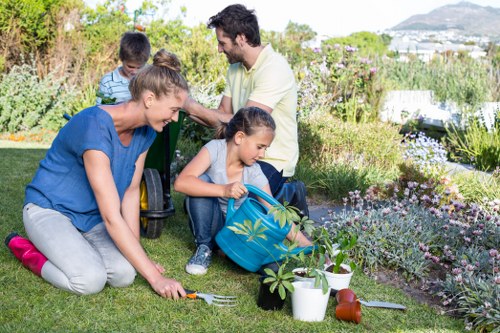 Partnerships with community charities, social enterprises and borough programmes magnify impact. By donating usable tools and condition-checked planters to local community centres and gardening projects we extend product life. Collaborative projects include plant-swaps, community compost schemes and volunteering days that feed surplus organic matter back into local soils.