NW8 Garden Maintenance Tips from St Johns Wood Gardeners
If you live in NW8, you already know a garden can turn from tidy to tangled surprisingly fast. One wet week, a bit of shade, a few warm days, and suddenly the borders are leaning out, the lawn looks tired, and the hedge has a mind of its own. These NW8 garden maintenance tips from St Johns Wood gardeners are designed to help you stay ahead of that cycle with clear, practical advice that works in real London gardens.
This guide is written for homeowners, landlords, and anyone looking after a small courtyard, a family garden, or a shared outdoor space in St John's Wood. We'll cover routine care, seasonal priorities, common mistakes, and when it makes sense to bring in professional help. If you want a broader look at ongoing upkeep, the team's garden maintenance service is a useful place to start, and for a full view of available options, see the services overview.
To be fair, most garden problems in NW8 are not dramatic. They are small jobs left too long. That is the real story here.
Table of Contents
- Why NW8 garden maintenance tips from St Johns Wood gardeners matters
- How NW8 garden maintenance tips from St Johns Wood gardeners works
- Key benefits and practical advantages
- Who this is for and when it makes sense
- Step-by-step guidance
- Expert tips for better results
- Common mistakes to avoid
- Tools, resources and recommendations
- Law, compliance, standards, or best practice
- Options, methods, or comparison table
- Case study or real-world example
- Practical checklist
- Conclusion
- Frequently asked questions
Why NW8 garden maintenance tips from St Johns Wood gardeners Matters
NW8 gardens often face a mix of conditions that make maintenance a little more demanding than people expect. You might have mature trees throwing shade, compact soil after years of foot traffic, narrow side returns, or planting beds that dry out quickly in summer and stay soggy after rain. Gardens in St John's Wood also tend to be used hard. Pets, children, entertaining, deliveries coming through side access, and the usual London time pressure all add up.
Good maintenance matters because it protects the garden you already have. A healthy lawn stays thick enough to resist moss. Shrubs kept in shape let more light reach lower planting. Clear borders make the whole space look calmer, even if nothing major has been redesigned. And perhaps most importantly, regular care prevents the awkward "it will do next weekend" situation that becomes a bigger, pricier job later.
There is also a property value angle, though it is best not to overstate it. A neat, well-kept garden tends to support the overall presentation of a home. If you are renting, managing a leasehold property, or preparing for sale, the outdoor space can quietly influence first impressions before anyone even opens the back door.
Expert summary: In NW8, maintenance is less about dramatic transformation and more about consistency. Small, regular actions usually beat occasional rescue work. That is the bit people often miss.
How NW8 garden maintenance tips from St Johns Wood gardeners Works
At its simplest, garden maintenance is a cycle of observation, correction, and prevention. You look at what is changing, remove what is causing problems, and keep the garden in a condition where plants, grass, paths, and structures can all breathe a bit.
In practical terms, that usually means five core tasks:
- keeping lawns cut at the right height for the season
- trimming hedges and shrubs before they become unmanageable
- weeding beds, edges, paving joints, and gravel areas
- feeding, mulching, and watering with some judgement rather than guesswork
- checking for broken, unsafe, or cluttered areas before they create larger issues
Professional gardeners normally assess the garden first, then build a routine around the layout and planting. A shady rear garden with heavy clay soil needs different care from a sunny terrace with containers and a small lawn. In NW8, space is often tight, so access matters too. A narrow passage, basement steps, or shared drive can shape how work is planned. Not glamorous, but very real.
If the garden needs more than routine upkeep, services such as hedge trimming, lawn mowing, or garden clearance may be brought in as part of the overall maintenance cycle. And if you are trying to understand the team behind the work, the about us page gives useful background without the fluff.
Key Benefits and Practical Advantages
Strong maintenance brings a lot of small wins that add up fast. You notice them in the way the garden feels rather than in any single dramatic moment.
- Better plant health: pruning, feeding, and watering properly reduce stress on shrubs and perennials.
- Cleaner presentation: tidy edges and cut back growth make even a modest garden look deliberate.
- Lower repair risk: leaves, moss, and overflowing beds can damage paving, decking, and drainage if ignored.
- Safer outdoor movement: clear paths and well-managed growth reduce trips, slips, and awkward blind corners.
- More usable space: when the garden is under control, you actually use it. Simple as that.
- Less panic work: instead of a huge seasonal rescue, you deal with smaller jobs before they snowball.
For many households, the biggest benefit is psychological. A maintained garden feels lighter. You step outside for coffee and hear birds rather than the rustle of something taking over the border. Nice on a Saturday morning, especially when the weather is trying its best to be London about it.
Who This Is For and When It Makes Sense
This guidance is useful if you fall into any of these groups:
- homeowners trying to keep an outdoor space looking presentable year-round
- busy professionals who want a dependable routine rather than constant catch-up work
- landlords and letting agents who need the garden to stay rentable
- older residents who prefer lighter maintenance support
- families with lawns, borders, and children's play areas that need regular care
- property managers looking after communal or shared external spaces
It also makes sense at certain times of year. Spring is often the reset period. Summer is about control and watering discipline. Autumn is where leaf clearance and preparation matter most. Winter is quieter, but not dead time. There are still checks to make, especially after storms or prolonged wet weather.
If you are unsure whether your space needs routine upkeep or a more structural refresh, a conversation about landscaping or landscape gardening may be more useful than starting with maintenance alone. Different problem, different fix. That distinction saves money and, frankly, a lot of muddle.
Step-by-Step Guidance
Here is a sensible maintenance rhythm for a typical NW8 garden. It is not the only way, but it is a dependable way.
1. Start with a proper walk-through
Walk the whole garden slowly. Check the lawn, borders, hedges, paving, fences, pots, and any awkward corner where litter and fallen leaves collect. Look for signs of stress: yellowing leaves, bare patches, spongy turf, weeds in joints, or stems flopping after rain.
2. Cut back what is getting in the way
Trim anything blocking light, paths, windows, or access. That might mean a hedge edge, a shrub that has widened too far, or climbing growth needing direction. If a tree has become too dominant or unsafe, it may need specialist attention, and that is where tree lopping and removal becomes relevant. Not every overgrown branch needs drastic action, mind you. Some just need careful reduction.
3. Deal with weeds early
Small weeds are a quick job. Established weeds are a proper nuisance. Pull them after rain when roots lift more easily, and do not forget to check edging and paving cracks. A garden can look tidy from six feet away while quietly harbouring a weed colony in the joints. It happens.
4. Mow with the season in mind
In growth season, lawns need frequent but not overly aggressive cutting. Cutting too short, especially in dry weather, can stress the turf and encourage weeds. Keep blades sharp, vary direction occasionally, and remove clippings if they are heavy or damp. If the lawn has become patchy or mossy, maintenance may need to include scarifying, feeding, or even a more considered lawn plan.
5. Feed and water with judgement
Container plants usually need more attention than people think. Beds under trees may need extra moisture in summer. Recently planted shrubs need regular watering for establishment, while mature plants often cope with less frequent but deeper watering. Overwatering is its own problem, by the way. Soggy roots are not a virtue.
6. Clear debris and finish neatly
Remove leaves, cuttings, dead stems, broken pots, and anything that makes the space feel untidy or blocks drainage. The finish matters. A garden often looks half as good if the leftovers are left behind.
If the whole space has got beyond routine upkeep, a full tidy-up through garden clearance can reset things faster than piecemeal effort. Then maintenance becomes manageable again, which is really the point.
Expert Tips for Better Results
These are the little things that make a visible difference in NW8 gardens.
- Do less, more often: a 20-minute weekly tidy is usually more effective than a heroic monthly blitz.
- Keep an eye on shade patterns: in St John's Wood, mature trees and tall buildings can change what thrives where. A plant that loved summer sun may sulk in autumn shade.
- Use mulch wisely: a good mulch layer helps retain moisture and suppress weeds, but keep it away from stems and trunks.
- Sharpen blades: a clean cut on grass and shrubs heals better and looks neater. Dull tools tear rather than cut.
- Edge the borders: a crisp edge gives instant structure, even when planting is informal.
- Check drainage after heavy rain: small pooling areas can point to compacted ground, blocked runs, or a falling-out of levels.
- Prune with purpose: remove dead, diseased, or crossing growth first. Then shape. Not the other way round.
A small practical habit helps a lot: keep a note of what the garden looked like in early spring, midsummer, and autumn. A few quick phone photos are enough. Sounds obvious, but people forget what "normal" looked like and then overcorrect.
One more thing. If you are working around decking, be careful about debris build-up and slippery patches. A tidy deck is safer and lasts better. For repairs or upgrades, decking services can be a sensible complement to ongoing garden maintenance.
Common Mistakes to Avoid
Most avoidable garden problems are caused by rushing, overdoing, or leaving things too long. Here are the usual suspects.
- Cutting everything too short: lawns and hedges often suffer when people chase a neat look too aggressively.
- Ignoring access points: a narrow side return or back gate can collect mess quickly if it is not included in the routine.
- Using water without checking need: some gardens need deep, less frequent watering, not daily splashing.
- Skipping seasonal jobs: autumn leaf fall and spring growth spurts are not optional extras.
- Letting the weeds seed: once they have flowered and dropped seed, you have invited next season's headache.
- Pruning at random: a poor cut can shape the whole plant badly, and some species really do react to timing.
- Leaving clippings and debris behind: it looks untidy and can encourage pests or rot.
Truth be told, a lot of garden "rescue" work is just fixing repeated small mistakes. Nothing glamorous. But very fixable.
Tools, Resources and Recommendations
You do not need a van full of equipment to maintain a good garden. The right basic kit is usually enough for most domestic spaces.
| Tool or Resource | Best For | Why It Helps |
|---|---|---|
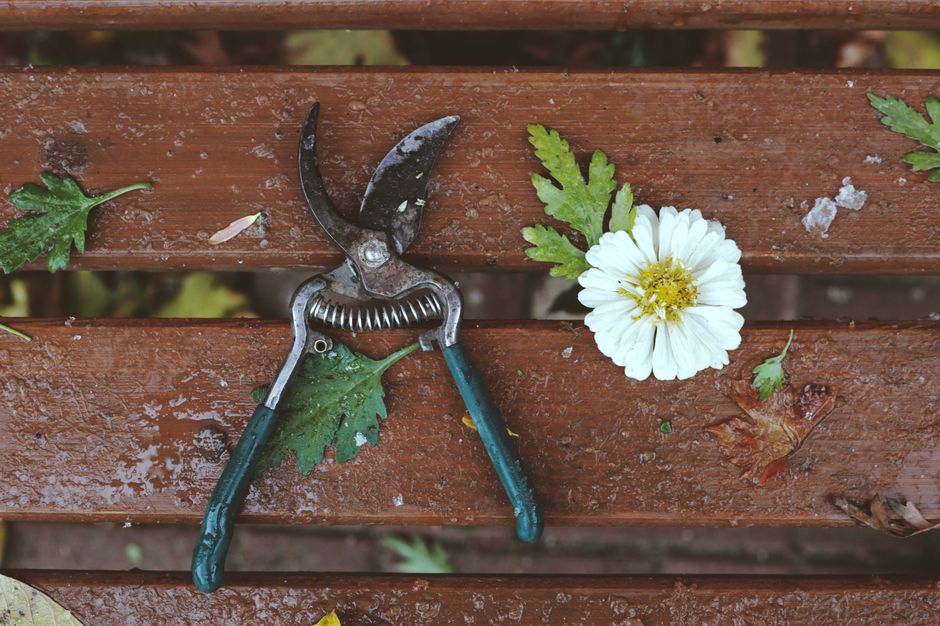
| Sharp secateurs | Small pruning jobs | Cleaner cuts and better control on shrubs and perennials |
| Long-handled shears | Hedges and shaping | Useful for even trimming and quick tidy-ups |
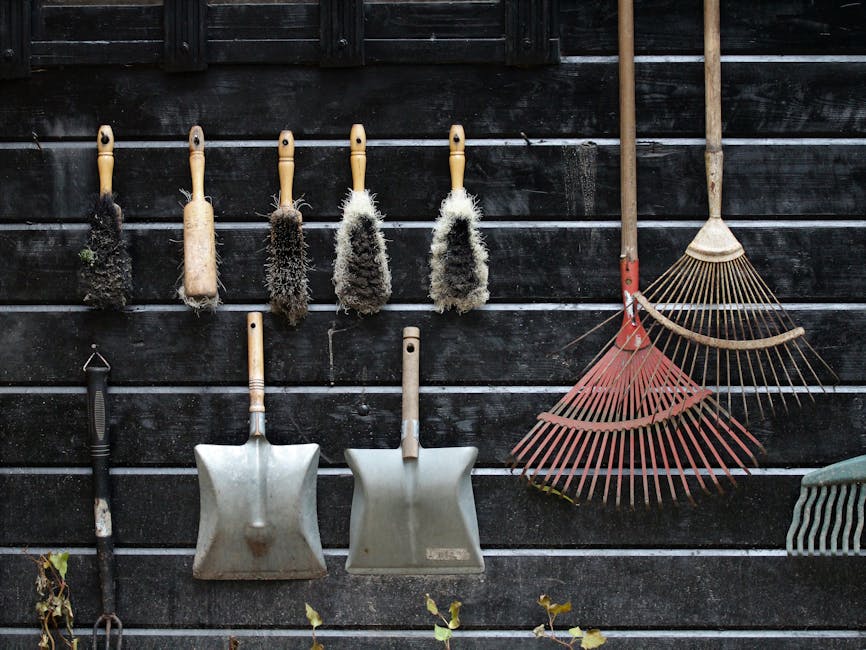
| Rake | Leaves and debris | Especially helpful in autumn and after windy weather |
| Spade or border fork | Weed removal and edging | Helps lift roots and reshape bed edges |
| Hose, can, or irrigation aid | Watering | Useful for containers, newly planted areas, and dry spells |
| Leaf bags or collection sacks | Clear-up work | Speeds disposal and keeps the job orderly |
| Maintenance schedule | Planning | Prevents missed seasonal tasks and repeat problems |
If you want ongoing support rather than one-off effort, choosing a provider with clear standards on safety, payment, and care is smart. Useful pages to review include pricing and quotes, payment and security, and insurance and safety. Those details are not exciting, but they matter when someone is working on your property.
Law, Compliance, Standards, or Best Practice
For most household gardens in NW8, maintenance is guided more by best practice than by heavy regulation. That said, there are a few sensible standards to keep in mind.
First, any work involving ladders, power tools, trees, or awkward access should be handled carefully and only by people who are competent to do it safely. That is just common sense, really, but it gets forgotten when a branch looks "nearly reachable".
Second, if you share boundaries, fences, hedges, or access routes with neighbours, communication matters. Trim overhanging growth carefully and avoid blocking shared paths or causing mess where it will become a dispute. London gardens can be close quarters. A little courtesy goes a long way.
Third, if clippings, soil, or clearance waste are being removed, it should be handled responsibly. A professional approach to sorting and disposal is part of good practice, and it ties neatly into recycling and sustainability. A tidy garden should not create avoidable waste elsewhere.
Finally, if a job involves structural changes, large tree work, or anything that affects safety, it is sensible to check what is appropriate before proceeding. This article stays practical rather than legalistic, because that is the right level for most readers, but when in doubt, caution beats regret.
Options, Methods, or Comparison Table
People often ask whether they should handle maintenance themselves, book a one-off tidy-up, or arrange an ongoing service. The right answer depends on time, physical effort, garden size, and how quickly the space grows out of control.
| Approach | Best For | Pros | Trade-offs |
|---|---|---|---|
| DIY routine care | Small gardens and confident homeowners | Low direct cost, flexible timing, personal control | Needs time, stamina, and the right tools |
| One-off tidy-up | Overgrown gardens or seasonal resets | Fast visual improvement, good for catch-up work | Does not solve the ongoing maintenance cycle by itself |
| Regular professional maintenance | Busy households, landlords, larger or more complex gardens | Consistency, presentation, less stress | Recurring cost, though often offset by fewer big fixes |
There is no universal winner. A lot of NW8 residents end up using a mix: a professional tidy-up at key points in the year, then light DIY between visits. That model works well for many people because it feels realistic rather than idealised.
Case Study or Real-World Example
Consider a typical St John's Wood rear garden: a modest lawn, two mixed borders, a hedge at the back, and a paved area that catches leaves from nearby trees. Nothing unusual. On paper, it looks easy enough.
In practice, the owner notices that the lawn is thinning near the back fence, the hedge has started shading one border, and weeds keep appearing along the paving edges. The garden still looks okay from the kitchen window, but only just. The fix is not a grand redesign. It is maintenance discipline.
A sensible approach would be:
- reduce the hedge slightly to improve light
- clear the paving and remove debris before it becomes slippery
- feed and overseed thin lawn sections
- mulch the borders to slow weeds and hold moisture
- reassess watering in dry spells, especially for containers
After that, the space becomes easier to manage. You still need to look after it, of course, but the garden stops fighting back quite so much. And that makes a difference on a busy weekday evening when you just want to step outside and breathe for a minute.
Practical Checklist
Use this as a quick seasonal or monthly check.
- Lawns cut at the correct height for the season
- Hedges and shrubs trimmed before they block light or access
- Weeds removed from beds, paths, and edges
- Leaves, twigs, and cuttings cleared away
- Plants watered according to weather and soil conditions
- Mulch checked and topped up if needed
- Drainage and pooling issues noted
- Decking, paving, and paths inspected for slippery build-up
- Trees assessed for dead or hazardous growth
- Tools cleaned, sharpened, and stored properly
If a garden has drifted well beyond this list, do not beat yourself up. It happens. Start with the highest-impact tasks first, then move outward. That is usually the sanest way through.
Conclusion
The best NW8 garden maintenance tips from St Johns Wood gardeners are not complicated, but they are consistent. Stay ahead of growth. Cut thoughtfully. Clear debris before it piles up. Water with judgement. And do the small jobs before they become the sort of thing you keep walking past with a sigh.
In a place like St John's Wood, where gardens often need to balance privacy, appearance, and practical use, maintenance is what keeps the space feeling calm and inviting rather than busy and overworked. A little attention, given regularly, goes a long way. Honestly, that is the quiet secret.
If you would like help keeping things in shape, you can explore the full range of support available through the site's garden maintenance service and related options, then decide what fits your garden and your schedule best.
Get a free quote today and see how much you can save.
And if you only take one thing away from this guide, let it be this: a garden rarely gets better by itself, but it does respond beautifully when you give it steady care.
Frequently Asked Questions
How often should NW8 gardens be maintained?
Most gardens in NW8 benefit from light attention every week or two, with larger seasonal jobs added in spring and autumn. Fast-growing hedges, lawns, and leaf-heavy gardens usually need a more regular rhythm.
What are the most important garden maintenance tasks in St John's Wood?
The main tasks are lawn mowing, hedge trimming, weeding, border tidying, leaf clearance, watering, and checking for drainage or safety issues. In many gardens, light but frequent upkeep beats heavy occasional work.
Can I manage garden maintenance myself?
Yes, if the garden is small and you have the time and tools. DIY maintenance works well for straightforward spaces, but awkward access, mature trees, or very overgrown areas are often better handled professionally.
When is the best time to trim hedges and shrubs?
It depends on the plant, but the safest approach is to trim at the right time for the species rather than simply whenever it looks messy. A light, regular shape-up is usually better than a hard cut after long neglect.
How short should I cut my lawn?
Not too short. Cutting too low can stress the grass, especially in warm or dry spells. A slightly higher cut often keeps the lawn healthier and helps it cope better with wear and weather.
What should I do with fallen leaves in autumn?
Clear them from paths, lawns, drains, and decking so they do not become slippery or smother the grass. Some leaves can be composted or used as mulch if they are suitable and managed properly.
Is professional garden maintenance worth it?
For busy households, rental properties, or larger gardens, yes, often it is. The value is not only in the visible result but in avoiding the bigger fixes that come from neglecting small jobs.
How do I stop weeds coming back so quickly?
Remove them before they seed, improve ground coverage with planting or mulch, and keep borders and paving edges checked regularly. There is no perfect one-step fix, annoyingly, but consistency helps a lot.
What if my garden has become overgrown?
Start with a clearance or major tidy-up, then move into a regular maintenance pattern. Trying to maintain an overgrown garden without resetting it first usually feels like pushing water uphill.
Do I need special care for shaded gardens in NW8?
Yes. Shaded gardens often need different planting choices, more attention to moss and damp, and careful watering so that roots do not sit in waterlogged soil. Shade is manageable, but it does change the rules a bit.
How can I keep a small city garden looking neat all year?
Focus on structure: crisp edges, controlled hedge growth, clean paving, healthy containers, and a simple mowing routine. Small gardens show disorder quickly, but they also respond quickly to good maintenance.
Where can I find more information about the company and its services?
You can start with the about us page for background, then review the services overview to see how different garden tasks fit together. If you need to discuss a specific job, the contact us page is the place to begin.