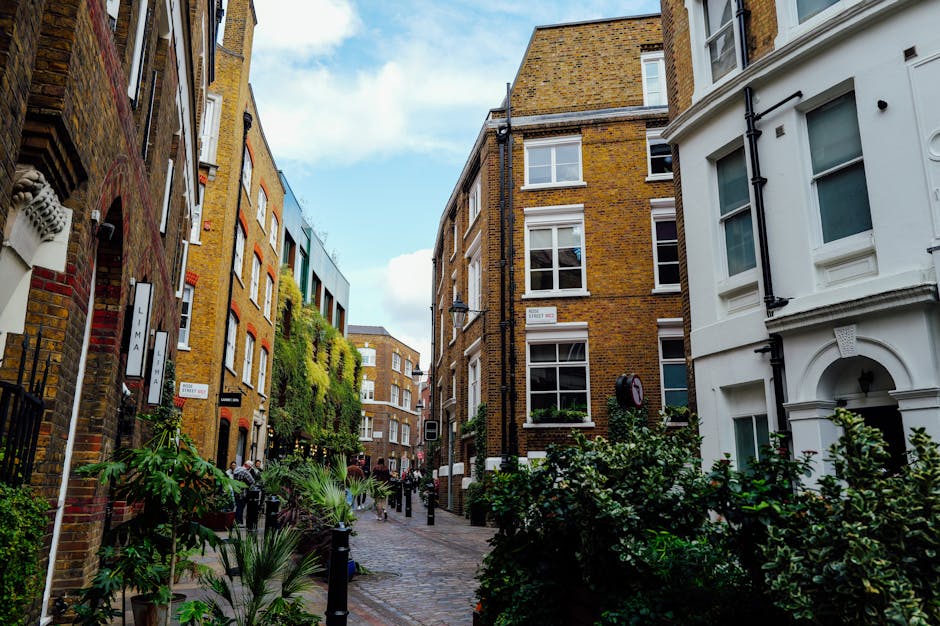
Gardeners serving St Johns Wood Road and High Street: a practical local guide for better gardens
If you live, work, or manage property near St Johns Wood Road and High Street, you already know the small things matter in a garden. A tidy front plot, a well-kept hedge, or a lawn that doesn't look tired after a wet week can change the whole feel of a place. Gardeners serving St Johns Wood Road and High Street are there to handle those details properly, not just give the space a quick tidy and disappear.
This guide explains what that kind of local gardening service usually includes, how it works, who benefits most, and what to look for before you book. Whether you need routine upkeep, a one-off clearance, or a more considered garden refresh, the aim is simple: help you make a better decision with less hassle.
To be fair, gardens in busy London streets can be a bit of a juggling act. Shade, traffic dust, awkward access, neighbours close by, and not enough time to keep on top of things. That's exactly where a steady, knowledgeable gardener becomes worth their weight in compost.
Table of Contents
- Why this kind of local gardening support matters
- How the service works in practice
- Key benefits and practical advantages
- Who it is for and when it makes sense
- Step-by-step guidance
- Expert tips for better results
- Common mistakes to avoid
- Tools, resources and recommendations
- Law, compliance, standards and best practice
- Options, methods and comparison table
- Case study or real-world example
- Practical checklist
- Conclusion
- Frequently asked questions
Why Gardeners serving St Johns Wood Road and High Street Matters
Local gardening support matters because gardens are not static spaces. They grow, settle, change with the season, and-let's face it-go slightly wild faster than most people expect. Near St Johns Wood Road and High Street, the pattern is often the same: properties are well cared for, but the day-to-day maintenance gets squeezed between work, travel, family, and everything else London throws at you.
That is where a gardener with local experience can make a real difference. It is not only about cutting grass or trimming a hedge. It is about understanding how a space behaves over time, how often it really needs attention, and what kind of work keeps it looking sharp without creating extra stress later.
In practical terms, a good local service can help with regular garden maintenance, seasonal clear-outs, and targeted tasks like hedge trimming or lawn care. If the garden has become cluttered, a more decisive garden clearance can reset the space so you can actually use it again. That reset point matters more than many people think.
There is also a visual aspect. A tidy garden tends to make an entrance feel calmer, a terrace feel larger, and a property feel more looked after. You notice it when you arrive home on a damp evening, keys in hand, and the place still feels orderly. Small thing, but it makes a difference.
Expert summary: Local gardeners are most valuable when they combine routine care with judgment-knowing what to cut, what to leave, when to tidy, and when a bigger intervention will save time later.
How Gardeners serving St Johns Wood Road and High Street Works
Most local gardening services begin with a conversation about the space and what you want it to do. That sounds obvious, but it is the bit that often gets skipped. A garden used for quiet sitting, family play, entertaining, or simple curb appeal will need a different approach. Good gardeners ask enough questions to understand that distinction.
Typically, the process starts with an assessment of the site. This may include lawn condition, hedge height and health, border overgrowth, tree concerns, access points, drainage quirks, and whether there is decking or hard landscaping that needs attention alongside the planting. If the garden has both green and built features, a wider service such as landscaping or landscape gardening may be more appropriate than a basic tidy.
From there, the work is usually broken into practical tasks:
- regular mowing and edging
- pruning and hedge shaping
- weed control and border tidying
- leaf collection and general cleanup
- tree work where safe and appropriate
- surface care for patios, paths, and decks
The frequency depends on the season and the garden itself. In spring and early summer, growth can get out of hand quickly. By late autumn, it is often about clearing leaves, managing wet debris, and reducing the chance of slippery surfaces or blocked drains. Different jobs, different mood altogether.
If a property needs a one-off service, the gardener may focus on restoring order first and then suggesting a lighter maintenance rhythm. That is usually smarter than trying to do everything at once. No one benefits from overcomplicating a simple garden.
For homeowners who want a broader service overview, it can help to review the available garden services overview before deciding what level of support is actually needed.
Key Benefits and Practical Advantages
The main advantage of hiring gardeners serving St Johns Wood Road and High Street is not just convenience, although that is a big one. The real benefit is consistency. Gardens stay better when they are looked after regularly, and regular attention reduces the chance of bigger, more expensive work later.
Here are the benefits that tend to matter most:
- Better first impressions: A neat front garden or entrance instantly changes how a home or business feels.
- Less weekend catch-up work: You are not spending half a Saturday wrestling with grass, clippings, or stubborn shrubs.
- Healthier plants and lawns: Timely pruning, mowing, and feeding routines usually produce more stable results.
- Safer outdoor spaces: Clear paths, tidy edges, and well-managed trees reduce everyday trip and snag risks.
- More usable space: Once clutter is cleared and structure returns, you can actually enjoy the garden again.
- Better seasonal control: Gardens look less frantic when work is spread through the year instead of left until it becomes urgent.
There is a quieter benefit too: peace of mind. If you have ever looked out of a window and thought, "Right, that's another thing I should have dealt with two weeks ago," you will know the feeling. A reliable gardener removes that low-level background stress. Honestly, that counts.
Who This Is For and When It Makes Sense
This kind of local gardening support is useful for a wide mix of people, and not only for large homes with elaborate planting schemes. Sometimes the neatest courtyard needs the most attention, because smaller spaces show neglect quickly.
You may benefit from professional gardening help if you are:
- a homeowner keeping on top of a private garden
- a landlord preparing a property for viewings or new tenants
- a managing agent maintaining shared outdoor areas
- a business owner wanting presentable frontage
- someone with a busy schedule who still wants the garden to look cared for
- an older resident who prefers dependable help for physically demanding tasks
It also makes sense after a period of absence. Maybe the garden has sat untouched during a holiday, a busy work project, or a move. Maybe a hedge has gone beyond your comfort zone. Maybe the lawn has become more moss than grass. These are ordinary situations, not failures. They happen.
If the job is mostly routine upkeep, lawn mowing and maintenance may be enough. If the space has been neglected for a while, a combination of clearance, pruning, and general reset work is usually more realistic. And if you are thinking about more structural changes, that is when you start looking at long-term improvements rather than just tidy-up visits.
Step-by-Step Guidance
If you are trying to get the best outcome from a local gardener, the process is easier when you approach it in a straightforward way. No drama, no guesswork.
- Walk the garden first. Look at what genuinely bothers you. Is it the lawn, the hedges, the weeds, the layout, or just the general feel?
- Separate urgent work from nice-to-have work. Safety and access issues come first. Decorative improvements can follow later.
- Note the problem areas. Shade, poor drainage, heavy foot traffic, or awkward corners all affect what work will hold up best.
- Decide on the service type. Regular maintenance, clearance, hedge trimming, tree work, or a broader landscaping job each have different goals.
- Ask for a clear scope. Make sure the work includes the actual tasks you need, not just a vague "garden tidy."
- Confirm timing and access. Gates, storage, water points, and parking can all affect how smoothly a visit runs.
- Plan for the aftermath. Will the waste be removed? Will the garden need follow-up watering or aftercare? Ask before the job starts.
If tree branches are causing concern, do not leave that to chance. A specialist approach such as tree lopping and removal may be required, especially where safety, height, or nearby structures are involved. This is not the sort of thing to improvise with a ladder and optimism.
After the first visit, it is usually easier to decide whether the garden needs weekly, fortnightly, or seasonal attention. Many people find that once the place is back under control, the maintenance rhythm becomes much more manageable.
Expert Tips for Better Results
A good result is rarely about doing more. It is usually about doing the right things in the right order. That sounds neat, and in practice it really is.
- Do not overcut lawns. Cutting too short can stress the grass, especially in dry spells or shaded gardens.
- Trim hedges with the end shape in mind. If a hedge is widened at the base and narrower at the top, it tends to stay healthier and more balanced.
- Let the seasons guide the plan. Heavy pruning, clearance, and planting all work better at certain times of year.
- Keep access clear. The quicker the gardener can move around, the more time goes into actual work rather than navigating obstacles.
- Use mulch where it helps. It can improve the look of borders and reduce weed pressure, though it is not a magic fix. Nothing is, really.
- Think in layers. Structure, then cleanliness, then planting detail. Trying to do everything at once often leads to a muddled finish.
One small but valuable habit: take photos before and after major work. Not for show, just for reference. You will quickly see what changed and what still needs attention. It also helps when planning the next visit, which saves time.
If sustainability matters to you, ask about waste handling and responsible disposal practices. A service with a clear recycling and sustainability approach is often a better long-term fit, especially if you want green waste handled properly and with less unnecessary landfill. Small detail, but worthwhile.
Common Mistakes to Avoid
Most garden problems are not dramatic mistakes. They are little habits that build up. A bit of delay here, a rushed cut there, then suddenly the whole garden feels like hard work again.
- Leaving seasonal jobs too late. By the time growth has become tangled, the work takes longer and costs more to sort.
- Mixing up maintenance and renovation. A one-off tidy may not be enough if the space needs a deeper reset.
- Ignoring access and waste removal. A job is only truly finished when the cuttings, branches, and debris are gone.
- Choosing only on price. Cheapest is rarely best if the work needs care, judgment, or repeat visits.
- Assuming all lawns need the same treatment. Shade, soil, wear, and drainage all change the approach.
- Forgetting aftercare. New planting, fresh pruning, and improved soil all need some follow-up, otherwise the benefit fades.
A common one in London gardens is underestimating how fast a small job becomes a bigger job. A hedge left a month too long can look twice as dense. A lawn left wet and uneven becomes awkward to cut. A tidy patio can gather leaves and algae quicker than you'd like. Nature does not wait for your calendar.
Tools, Resources and Recommendations
Most people do not need a shed full of specialist equipment to keep a garden under control, but it helps to understand what professionals typically use and why. If you are comparing services, asking about tools can tell you a lot about the standard of care.
| Task | Common tools or methods | Why it matters |
|---|---|---|
| Lawn care | Rotary or cylinder mower, edging tool, hand rake | Produces a cleaner finish and reduces patchy cutting |
| Hedge trimming | Manual shears or powered trimmers | Helps shape hedges evenly and avoid ragged cuts |
| Garden clearance | Heavy-duty bags, waste tubs, cutters, loading equipment | Makes it easier to remove green waste efficiently |
| Tree work | Pruning tools, saws, safety gear, access equipment | Safety and precision matter more than speed here |
| Border and planting work | Spades, forks, secateurs, mulch, compost | Supports healthy planting and cleaner presentation |
Useful service pages to review before booking include garden maintenance, hedge trimming, and decking services if the outdoor area includes timber surfaces that need care as well as planting. Decking and gardens often age together, and one affects the look of the other more than people expect.
For service expectations and company information, it can also be sensible to review the company background, along with practical details such as pricing and quotes and payment and security. That is not overthinking it. It is just sensible.
Law, Compliance, Standards and Best Practice
For gardening work, especially where trees, waste, access, or working near people is involved, best practice matters. The exact legal duties will depend on the site and the work being done, but a careful service should take safety and responsibility seriously rather than treating them as afterthoughts.
In everyday terms, this means a few simple things. Equipment should be used properly. Work areas should be kept as clear as possible. Tree work should be assessed conservatively. Waste should be handled responsibly. And if a task is outside the safe scope of routine gardening, it should be treated that way. Common sense, really, but not always common in a hurry.
If you are hiring someone to work on your property, it is reasonable to ask about insurance, safety procedures, and how unexpected issues are handled. The service may also provide information through pages such as insurance and safety, health and safety policy, and terms and conditions. Those documents are not exciting reading, granted, but they do tell you how seriously a company takes its responsibilities.
It is also worth knowing that garden waste and green waste are not just "bits to be thrown away." Responsible handling and recycling are part of good practice, especially in urban settings where space is tight and clutter builds quickly. The cleaner the process, the better the outcome for everyone involved.
Options, Methods, or Comparison Table
If you are deciding what type of help you need, it can be useful to compare common approaches side by side. One is not always better than another; it depends on the current state of the garden and what you want from it.
| Approach | Best for | Typical outcome | Watch-outs |
|---|---|---|---|
| Routine maintenance | Gardens already in decent shape | Steady, tidy, predictable presentation | May not solve deeper overgrowth or layout issues |
| One-off clearance | Neglected or cluttered spaces | Fast visual reset and better access | Can reveal follow-up work that still needs attention |
| Targeted task visits | Specific problems like hedges or lawns | Focused improvement in one area | Other parts of the garden may still look uneven |
| Broader landscaping | Spaces needing redesign or structural change | More dramatic long-term improvement | Usually more planning, time, and budget are involved |
A practical rule of thumb: if your garden mostly needs upkeep, start with maintenance. If it looks unmanaged, start with clearance. If the layout itself is the problem, then you may be looking at landscaping rather than routine gardening. That distinction saves a lot of frustration.
Case Study or Real-World Example
Picture a small back garden near St Johns Wood Road after a few busy months. The lawn has become uneven. A hedge is leaning into the path. There are leaf piles under a bench, and the border has started to disappear under weeds. Nothing extreme, just enough to make you avoid using the space.
A sensible first visit would not try to transform everything in one go. The work might begin with clearance, then a proper lawn cut, then hedge shaping, then a tidy of the edges and borders. If needed, some sections could be revisited later with more considered planting or structural changes. That staged approach is often the best one because it restores order first, then improves the look.
After that initial clean-up, the owner could move to monthly maintenance, with lighter visits during slower growth periods and more frequent attention in spring and summer. The result is not perfection. Real gardens are living things, after all. But it becomes a space you can use again, which is the point.
One property manager we might imagine in this situation would probably say the biggest win was simply not having to chase the problem every weekend. That kind of relief is underrated.
Practical Checklist
Use this before you book gardening support near St Johns Wood Road and High Street:
- Decide whether you need maintenance, clearance, hedge work, lawn care, or landscaping
- Walk the garden and note the main problem areas
- Check access for tools, waste, and safe movement around the site
- Think about seasonal timing and whether the work is urgent
- Ask whether waste removal is included
- Confirm whether the gardener is insured and follows a clear safety process
- Review pricing and quote details carefully
- Ask what aftercare may be needed after the visit
- Consider sustainability and waste handling preferences
- Plan the next visit before the garden slips back into chaos
If you want a broader sense of the provider before moving ahead, the most useful next steps are usually to review services overview, then check about us, and finally look at contact us when you are ready to ask for a quote or ask a few practical questions.
Conclusion
Gardeners serving St Johns Wood Road and High Street are most valuable when they bring calm, consistency, and practical judgment to outdoor spaces that are too easy to let slip. Whether you need a quick reset, ongoing care, or a more involved improvement, the right service should leave your garden looking cleaner, easier to manage, and more enjoyable to use.
That is the real goal, isn't it? Not just a neater patch of grass, but a space that feels looked after without becoming another job on your list. Get the scope right, ask sensible questions, and choose support that fits the garden as it is now-not as you hope it might magically become by next Saturday.
Get a free quote today and see how much you can save.
A well-kept garden has a way of making everything else feel a bit more settled. Quietly, steadily, it changes the mood of the day.
Frequently Asked Questions
What do gardeners serving St Johns Wood Road and High Street usually do?
They typically handle routine maintenance, lawn mowing, hedge trimming, garden clearance, pruning, and sometimes more involved landscaping or tree-related work. The exact service depends on the state of the garden and what you need it to do.
How often should a garden near St Johns Wood Road and High Street be maintained?
It depends on growth, shade, use, and season. Some gardens need weekly attention in peak months, while others are fine with fortnightly or monthly visits. A good gardener will help set a rhythm that feels realistic.
Is a one-off garden clearance enough for a neglected garden?
Sometimes it is enough to get the space back under control, but often it is the first step rather than the final one. After clearance, you may still need maintenance visits to keep weeds, growth, and debris from building up again.
What is the difference between garden maintenance and landscaping?
Garden maintenance is about keeping an existing space tidy and healthy. Landscaping is broader and usually involves reshaping or improving the structure, layout, or features of the garden. If the bones of the space need work, landscaping may be the better fit.
Can gardeners help with hedges that have become too large?
Yes, hedge trimming is a common job. If the hedge is very overgrown or difficult to access, it may need a more careful plan or multiple visits. The finish will be better if it is tackled before it becomes too woody and dense.
Do I need specialist help for tree work?
For larger trees, awkward branches, or anything close to structures or people, specialist support is often the sensible choice. Tree work can become risky quickly, so it should never be treated as casual garden tidy-up work.
How do I know if I need lawn mowing or a full lawn renovation?
If the lawn is mainly just overgrown, mowing and edging may be enough. If it is patchy, mossy, compacted, or badly uneven, a fuller renovation approach may be needed. The appearance after the first cut usually tells you a lot.
Are local gardeners useful for small courtyards and terraces?
Very much so. Small spaces often need careful, regular attention because clutter, weeds, and leaf litter are more visible. A compact garden can look brilliant with consistent care, sometimes better than a much larger space.
What should I ask before hiring a gardener?
Ask what is included, how waste is handled, whether insurance is in place, how access is managed, and what follow-up care might be needed. It is also wise to ask for clear pricing and a realistic scope of work.
Why does sustainability matter in garden work?
Sustainability matters because garden waste, materials, and methods all have an environmental impact. Responsible recycling, sensible disposal, and efficient work practices are a good sign that the service is being run thoughtfully.
Can gardening support help if I am preparing a property for sale or let?
Yes. A neat, healthy-looking garden can improve presentation and help the property feel cared for. Even a simple tidy-up can make a noticeable difference before viewings or new occupancy.
What is the smartest first step if my garden feels overwhelming?
Start with a walk-through and identify the most urgent issues. Usually that means access, safety, and the worst overgrowth first. Once the space is under control, it becomes much easier to decide what kind of ongoing help you need.